Canva Wok Recipes Cookbook: Elevate Your Culinary Content
In the crowded world of food blogging and culinary entrepreneurship, a well-structured visual presentation is just as vital as the recipe itself. The Canva Wok Recipes Cookbook template serves as a practical bridge between your culinary expertise and your audience's appetite for beautiful content. This isn't just a collection of empty pages; it is a fully realized 22-page design system tailored for chefs, Instagrammers, and food bloggers who need to share their work professionally without hiring a graphic designer. By leveraging this template, you streamline the publishing process, allowing you to focus on what you do best—cooking and creating.
The Anatomy of a Professional Recipe Book
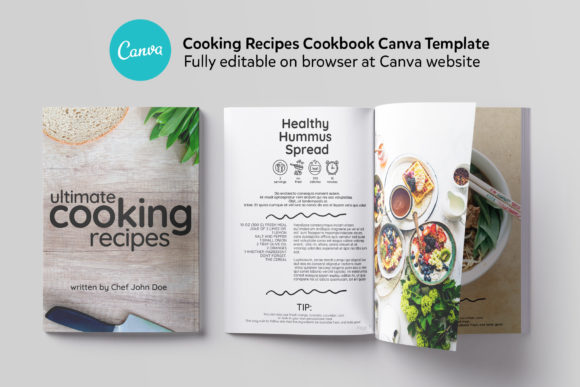
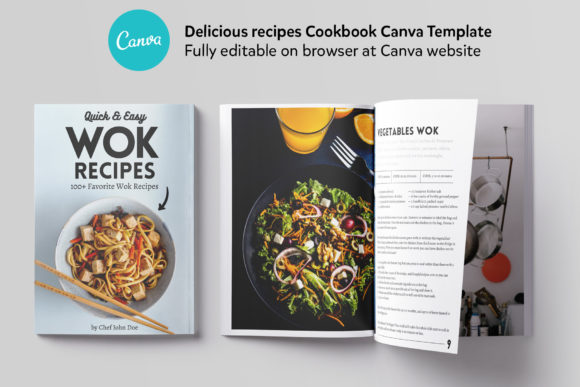
When you first open the Canva Wok Recipes Cookbook, you aren't greeted with a blank canvas, which is often the most intimidating part of design. Instead, you find a structured narrative flow designed to guide the reader. The template includes a distinct cover page, an editorial section, and a dedicated "About the Author" page. These elements are crucial for brand identity. They establish authority and give your audience a face behind the food. For a small business owner or a content creator, this structure transforms a simple PDF into a legitimate publication. It signals that you take your craft seriously, which builds trust with clients and followers before they even reach the first recipe.
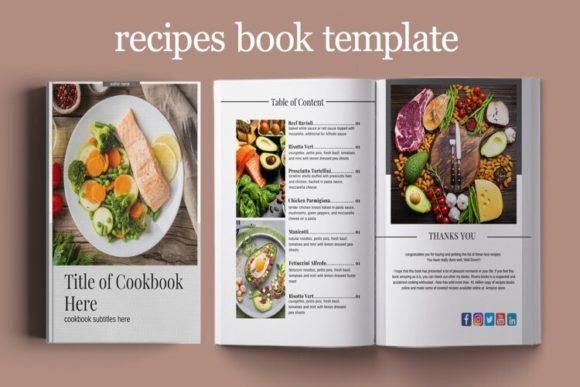
One of the most practical aspects of this layout is the Table of Contents. In editorial design, navigation is key. If a user downloads your cookbook, they need to find their favorite dish quickly. The inclusion of this page, along with six unique recipe layouts, ensures that your content remains organized and accessible. You aren't just dumping photos onto a page; you are curating an experience. The visual hierarchy established by these layouts helps the reader distinguish between ingredients, instructions, and chef's notes, making the cooking process smoother for them.
Visual Style and Brand Perception
The aesthetic of the Canva Wok Recipes Cookbook leans into a modern, clean typography style that prioritizes readability. It avoids overly ornate script fonts or distracting handwritten fonts for body text, which can be a nightmare to read in long-form content. Instead, it likely utilizes a balanced pairing of a serif font for headings and a clean sans serif font for instructions. This combination is a staple in modern editorial design because it creates a clear visual hierarchy. The headings draw the eye, while the body text remains legible on both screens and printed paper.
For a brand strategist, the visual personality here is one of "approachable sophistication." It doesn't feel sterile or overly corporate, yet it retains a high level of professionalism. This style works exceptionally well for social media graphics and web design assets. If you are an Instagrammer, you can extract individual recipe pages to create carousel posts that look consistent with your overall feed. The design supports high-quality photography without competing for attention. It acts as a frame, ensuring that the food remains the hero of the image. This consistency is vital for brand recognition; your audience should be able to recognize your content style instantly as they scroll.
Practical Application for Creators and Entrepreneurs
The true value of the Canva Wok Recipes Cookbook lies in its adaptability. Because it is a Canva template, it is fully editable with a free account. This democratizes design assets, allowing hobbyists and entrepreneurs to produce premium content without the overhead of Adobe Creative Cloud subscriptions or steep learning curves. The A4 (210x297 mm) sizing is an industry standard, making it versatile for both digital distribution (like lead magnets for email lists) and physical printing.
Consider the workflow of a food blogger. You often need to produce content rapidly. Instead of designing a layout from scratch for every new dish, you simply open the template, copy your text into the designated fields, and drop in your photos. The "6 unique layouts for recipes" mentioned in the specifications are particularly valuable here. Variety prevents your cookbook from feeling repetitive. One recipe might feature a large hero image with text overlay, while the next uses a grid of process shots. This keeps the reader engaged and allows you to tailor the layout to the specific nature of the dish.
Customization and Licensing
While the template provides the structure, the customization is where your personality shines. You can adjust the color palette to match your existing brand identity. If your brand uses earthy, organic tones, you can easily shift the template's accents to reflect that. The instructions provided in the zip file (containing direct links to master templates and photo credits) ensure that you are working with the correct files and respecting licensing agreements. This is a critical detail for commercial use. Whether you are selling the cookbook or using it as a free gift for subscribers, understanding the licensing of the design assets protects your business.
Furthermore, the template encourages a holistic approach to content creation. By including an "Editorial page," it invites you to write an introduction or a letter to your readers. This is a powerful tool for audience engagement. It adds a human element that raw recipe lists lack. It turns a transactional document (a list of ingredients) into a relational one (a shared meal). For chefs and food photographers, this space is perfect for discussing the inspiration behind a dish or the seasonality of ingredients, adding depth to your content.
Final Thoughts on Workflow Efficiency
Ultimately, the Canva Wok Recipes Cookbook is a tool for efficiency and quality. It solves the common problem of "design paralysis" by giving you a professional starting point. It respects the constraints of a free Canva account, making it accessible to everyone from students to established restaurateurs. By focusing on clean layouts and logical structure, it ensures that your recipes are presented in the best possible light. If you are looking to elevate your food content, create a tangible product for your audience, or simply organize your own favorite meals, this template offers a robust and stylish foundation. It proves that good design doesn't have to be complicated or expensive—it just needs to be thoughtful.