Simplify Your Workflow with an Order Form Canva Template
Running a small business or managing client projects means juggling countless details. When an order comes in, the last thing you need is to waste time formatting a document from scratch. That's where a well-designed Order Form Canva Template becomes a practical asset in your toolkit. It's not just a piece of paper—it's a system that brings clarity to your process and professionalism to your brand.
Why a Customizable Template Makes Sense for Your Business
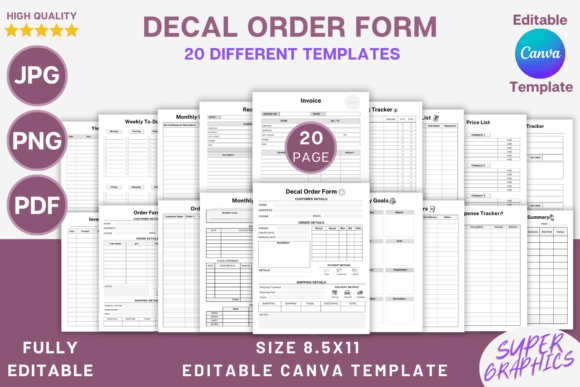
A good order form does more than collect information. It communicates how you operate. When a client receives a clean, branded document, they immediately sense that you take your work seriously. The Order Form Canva Template gives you that polished look without requiring advanced design skills. You simply open it in Canva, adjust the colors to match your brand identity, swap in your logo, and type in your specific fields.
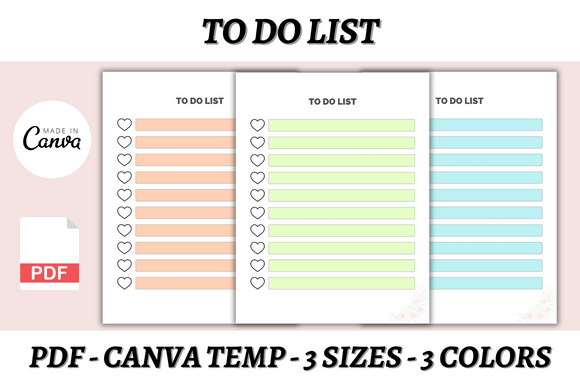
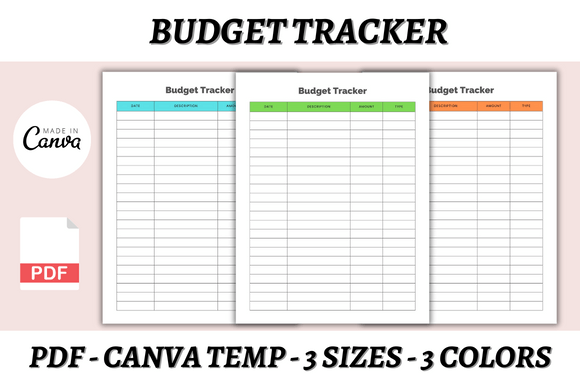
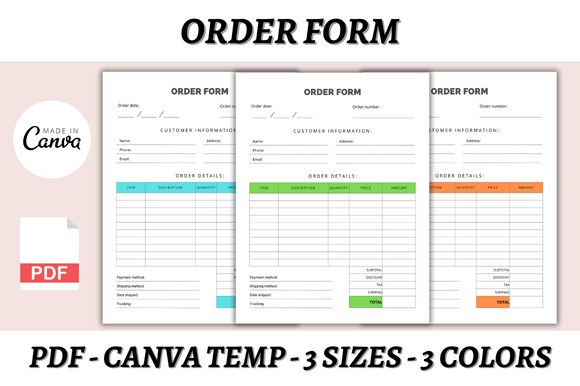
What makes this particular template stand out is its flexibility. It comes in three standard sizes—A4, A5, and US Letter—so whether you're printing it for a local craft fair or sending it as a digital PDF through email, you have the right format ready. The three included color variations give you a head start on visual consistency, which matters more than most people realize. When every touchpoint with your customer looks cohesive, it builds trust quietly and effectively.
Practical Applications Across Different Industries
Think about how many scenarios require a structured way to capture orders. A freelance graphic designer might use it to outline project deliverables and pricing. A bakery owner could hand it to wholesale clients listing out seasonal items. An Etsy seller might attach a customized version to each shipment, reinforcing their brand while making reordering simple. The beauty of working within Canva is that you can adapt the same base template for completely different purposes.
I've seen content creators use order forms like these for sponsorship packages, laying out tiered options with space for notes. Bloggers have repurposed them as media kit inserts. Even hobbyists selling handmade candles at local markets find that a printed order form adds a layer of legitimacy that handwritten receipts just can't match. The template serves as a starting point, and what you build from there depends entirely on your needs.
Editing Without the Learning Curve
One concern I hear often from business owners is that they're not designers. They worry about struggling with complicated software. Canva removes that barrier entirely. If you can drag and drop, you can edit this template. Change the font to something that feels more like your voice—maybe a clean sans serif font for a modern tech startup or a softer serif font for a boutique home goods shop. Resize elements. Rearrange sections. Add your social media handles in the footer.
The template is designed with visual hierarchy in mind, so even if you're not sure about layout principles, the structure guides you. Important fields like item descriptions, quantities, and totals are positioned where the eye naturally travels. That kind of intentional design improves readability and reduces errors on both ends of the transaction. Your customers fill it out correctly, and you process orders faster.
Building a Consistent Brand Experience
Every document that leaves your business is a chance to reinforce who you are. An order form might seem like a small thing, but consistency across all your design assets—from social media graphics to invoices to packaging—creates a cumulative impression. When someone sees your color palette and typography repeated across different materials, recognition develops. That's how brand identity takes root.
This is especially relevant if you sell on multiple platforms. Whether you operate through Shopify, Gumroad, your own website, or a combination, having a unified look across your order forms, receipts, and marketing materials ties everything together. Customers notice when things feel cohesive, even if they can't articulate why. It signals reliability.
What You're Actually Getting
The download includes three Canva templates in different sizes, three corresponding PDF files for immediate use, and access to three color schemes. Once you purchase, you have lifetime access, which means you can revisit and revise as your business evolves. Your brand colors might shift next year. Your product line might expand. The template grows with you because it's fully editable.
For anyone selling products or services—whether you're a designer offering logo design packages, a publisher managing book orders, or a crafter fulfilling custom requests—having a reliable order form saves mental energy. You stop reinventing the wheel every time someone places an order. Instead, you open your customized template, fill in the details, and send it off.
Making It Your Own
My advice after years of working with templates like this: spend thirty minutes upfront making it yours. Choose fonts that reflect your personality. If your brand leans playful, a handwritten font for headings paired with a modern typography style for body text can work beautifully. If you're going for a more corporate feel, stick with clean lines and minimal decoration. Test how it looks printed and on screen, since many orders happen digitally now.
Don't overlook the small details. Add a thank-you note at the bottom. Include your return policy in a subtle footer. These touches transform a generic form into a genuine extension of your business. The Order Form Canva Template gives you the structure, but your personality makes it memorable.
Starting with a solid foundation means you spend less time on administrative tasks and more time doing the work you actually care about. That's the real value here—not just a pretty document, but a smoother workflow that lets your business run with less friction.