Random Canva Frames: Easy for Beginner Designers and Creators
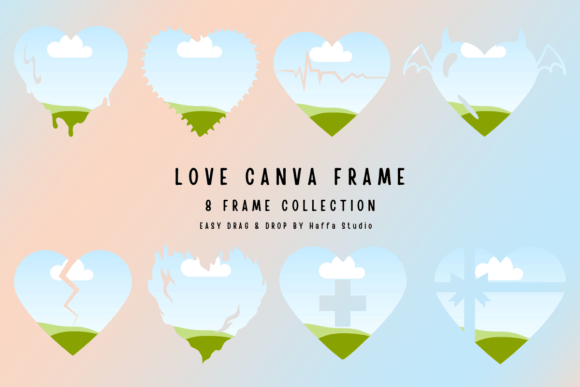
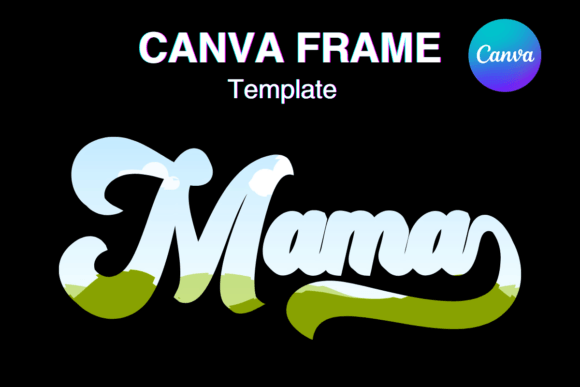
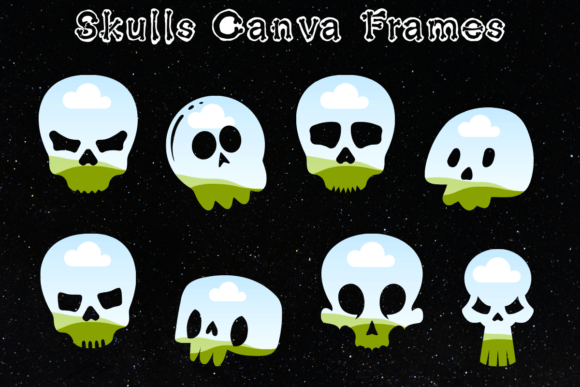
Creating polished, professional-looking visuals doesn't have to involve complex software or steep learning curves. For many designers, marketers, and content creators, the real challenge isn't having a great idea—it's executing it quickly and beautifully. This is where a resource like Random Canva Frames (Easy for Beginner) becomes a practical asset. It's not a traditional font, but a curated collection of digital frame templates designed directly within Canva, offering an immediate solution for adding structure, style, and visual interest to your projects.
Understanding the Visual Character and Appeal
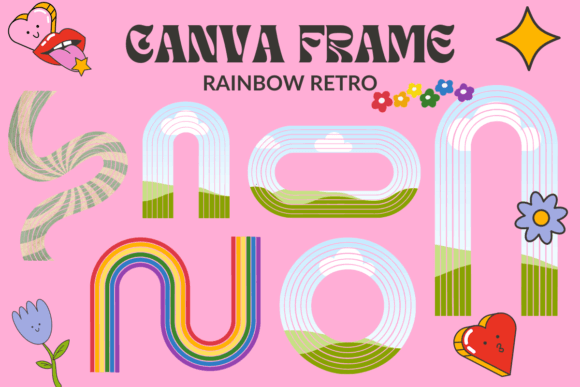
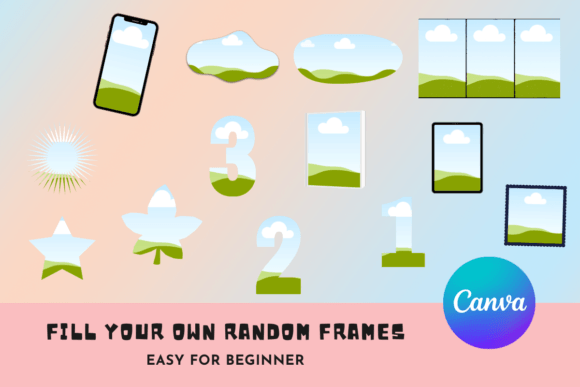
The personality of this collection is rooted in versatility and approachability. The frames range from clean, modern geometric borders to more ornate, vintage-inspired outlines. You'll find designs that feel professional and corporate-friendly alongside those with a whimsical, handcrafted touch. This diversity means the templates aren't tied to a single aesthetic; instead, they provide a toolkit of design assets you can adapt. Think of them as a visual vocabulary for framing your content—whether it's a product photo, a quote graphic, a social media post, or a page from an editorial design project. The overall appeal lies in their instant application. With a single click, you can place your content within a frame that elevates its presentation, adding a layer of intentional design without needing to draw or build the border from scratch.
Where These Frame Templates Deliver Real Value
The practical applications span across nearly every creative field. For social media graphics, these frames help create consistent, eye-catching posts and Stories that stand out in a crowded feed. A consistent frame style can become part of your visual brand identity, making your content instantly recognizable. In packaging design mockups or small business marketing materials, they add a professional polish that can influence brand perception, suggesting care and quality. Bloggers and publishers use them to break up text, highlight featured images, or create elegant pull quotes. For entrepreneurs, they're perfect for designing quick promotional graphics, sale announcements, or certificate templates for workshops. The key is recognizing them as a shortcut to professional results, especially when time or advanced design skills are limited.
Making Smart Choices for Your Project
Choosing the right frame from the collection is similar to choosing a font pairing. You need to consider context, audience, and message. A sleek, minimalist frame might suit a tech startup's Instagram post, while a distressed, ornate border could be perfect for a vintage-themed wedding invitation template. Always test how the frame interacts with your core content. Does it enhance readability or distract from it? Does it support the visual hierarchy you're building, or does it compete with your headline? Just as you would evaluate a premium font for a logo, assess these frames for their contribution to the overall design's clarity and emotional tone.
A practical tip is to use the included video tutorial. It's not just about accessing the link; it's about seeing how the frames are structured in Canva. Understanding the layers and how to customize colors or adjust elements will give you greater control. This is where you move from simply using a template to actively designing with it. Consider the frame's weight and style in relation to your chosen typefaces. A bold, decorative frame might pair well with a simple sans serif font for balance, while a delicate frame could complement an elegant serif font or script font in your typography.
Integrating Frames into a Cohesive Design Workflow
Think of these frames as one component in your larger toolkit of modern typography and design elements. Their effectiveness multiplies when used thoughtfully alongside other assets. For instance, if you're building a brand's visual system, you might establish a rule: product shots always use Frame A from this collection, while testimonials use Frame B. This builds consistency across your website, web design elements, and printed materials. The frames help maintain a professional standard, which is crucial for audience engagement and trust.
It's also worth noting the commercial utility. Since this is a digital item delivered via a Canva template link, there's no software to download or install, and no expiration. This makes it exceptionally convenient for collaborative projects or for creators who work across multiple devices. The simplicity of the platform—best used in Chrome or Edge browsers—means you can focus on the creative application rather than technical hurdles. Whether you're a crafter designing digital stickers, a marketer creating a series of ads, or a small business owner developing your own promotional materials, these frames offer a straightforward path to more polished output.
Ultimately, the value of a resource like Random Canva Frames (Easy for Beginner) is measured by the problems it solves. It bridges the gap between a blank canvas and a finished design, provides visual structure, and helps enforce style consistency. It empowers you to produce work that looks considered and designed, even if your primary expertise lies in writing, strategy, or another field entirely. By treating these frames as adaptable design assets rather than rigid templates, you unlock their potential to enhance your projects across the board, from personal creative hobbies to professional commercial work.